
Uveitis & Neuro-Ophthalmology Care

Some eye problems start deep inside the eye or along the nerve that connects the eye to the brain. Inflammation of the uvea (uveitis) and conditions affecting the optic nerve can cause redness, pain, blurred vision or sudden changes in sight, and need timely, careful evaluation.
At Shree Hanumant Vision Care (SHVC), Sundarpur, Varanasi, patients with eye inflammation and nerve-related vision problems can get a detailed examination and specialist guidance from Dr. Praveen Kumar Chaturvedi. Our focus is on finding the underlying cause, controlling inflammation early and protecting long-term vision.
What Are the Uvea and the Optic Nerve?
The uvea is the middle layer of the eye. It has three parts: the iris (the coloured part of the eye), the ciliary body (which helps the eye focus) and the choroid (a layer of blood vessels that nourishes the retina). When any part of the uvea becomes inflamed, the condition is called uveitis.
The optic nerve carries visual signals from the retina to the brain.
Neuro-ophthalmology deals with vision problems linked to the optic nerve, the nerves that control eye movements, and the visual pathways in the brain.
Uveitis and optic nerve conditions can sometimes be linked to infections, autoimmune diseases or other health problems in the body. Early diagnosis and proper treatment help control the condition and reduce the risk of complications such as glaucoma, cataract or permanent vision loss.
Common Symptoms of Uveitis and Optic Nerve Problems
Symptoms depend on which part of the eye or nerve is affected. They may appear suddenly or develop slowly, and can affect one or both eyes.
Common symptoms include:
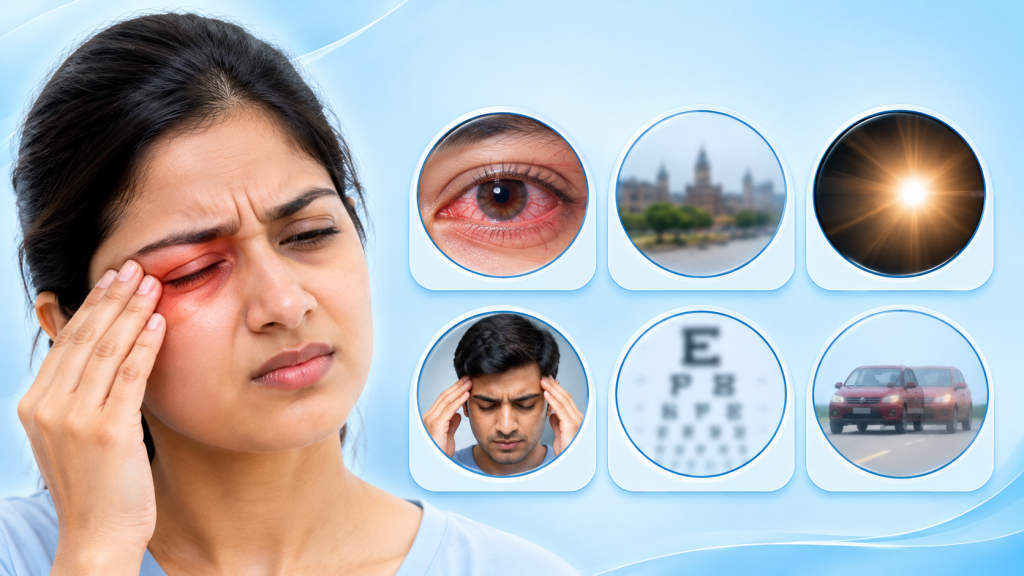
- Eye redness, especially around the dark part of the eye
- Eye pain or aching
- Sensitivity to light
- Blurred or hazy vision
- Floaters or dark spots in vision
- Sudden or gradual loss of vision
- Pain when moving the eye
- Colours appearing dull or faded
- Double vision
- Drooping eyelid with change in vision or eye movement
Sudden vision loss, sudden double vision, or a painful red eye with light sensitivity should be checked by an eye specialist as soon as possible.
Types of Uveitis and Neuro-Ophthalmic Conditions
Inflammation and nerve-related problems can affect different parts of the eye and visual system. Some commonly recognised conditions include
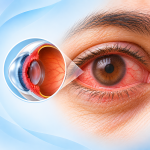
Anterior Uveitis
This is the most common type of uveitis. It affects the iris and front part of the eye, and often causes redness, pain, light sensitivity and blurred vision.
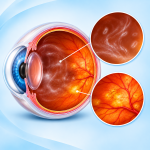
Intermediate & Posterior Uveitis
This type affects the middle and back parts of the eye, including the vitreous and choroid. It may cause floaters and blurred vision, often with little pain or redness.
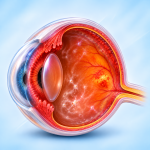
Panuveitis
Panuveitis involves inflammation of all layers of the uvea. It can affect vision significantly and needs careful evaluation and close follow-up.
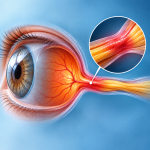
Optic Neuritis
Optic neuritis is inflammation of the optic nerve. It can cause blurred vision, faded colours and pain on eye movement, usually in one eye.
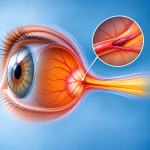
Ischemic Optic Neuropathy
This condition happens when blood supply to the optic nerve is reduced. It can cause sudden, painless vision loss and is more common in people with diabetes or high blood pressure.
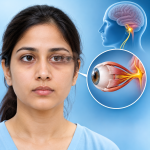
Nerve Palsy & Double Vision
Weakness of the nerves that control eye muscles can cause double vision, misaligned eyes or a droopy eyelid. Sudden onset needs prompt medical evaluation.
Causes and Risk Factors
Uveitis and optic nerve conditions can develop for many reasons. Sometimes the problem is limited to the eye. In other cases it is a sign of a condition affecting the whole body. In some patients, no specific cause is found even after testing.
Common causes and risk factors include
Autoimmune Conditions: Conditions such as rheumatoid arthritis, ankylosing spondylitis, sarcoidosis and lupus can be linked with uveitis.
Infections: Infections such as tuberculosis, herpes, toxoplasmosis and others can cause inflammation inside the eye.
Multiple Sclerosis and Neurological Conditions: Some neurological conditions are associated with optic neuritis and other nerve-related vision problems.
Diabetes and High Blood Pressure: These conditions can affect blood supply to the optic nerve and the nerves that control eye movement.
Eye Injury or Surgery: Trauma or previous eye surgery can sometimes trigger inflammation inside the eye.
Raised Pressure Around the Brain: Increased pressure inside the skull can cause swelling of the optic nerve (papilledema) and needs urgent evaluation.
Certain Medications: Some medicines can occasionally cause inflammation in the eye or affect the optic nerve.
Treatment Options
How are uveitis and optic nerve conditions treated?
Treatment depends on the type of condition, the part of the eye affected and the underlying cause. After a detailed evaluation, the eye specialist may recommend:
- Steroid eye drops to control inflammation in the front of the eye
- Dilating eye drops to reduce pain and prevent complications
- Steroid tablets or injections for more severe or deeper inflammation
- Specific treatment for an underlying infection, when one is found
- Immunosuppressive medicines for long-term or recurring cases, together with a physician
- Coordination with a neurologist or physician for nerve-related and systemic conditions
- Treatment of complications such as raised eye pressure or cataract
- Regular follow-ups to monitor inflammation, eye pressure and vision
Many of these conditions need ongoing monitoring. Do not stop or change steroid or other prescribed medicines without consulting your eye specialist. Regular follow-ups help protect your vision.
How Are These Conditions Diagnosed?
A detailed eye examination is the first step in diagnosing uveitis and optic nerve conditions. Depending on your symptoms and medical history, an ophthalmologist may recommend the following:
- Visual Acuity and Colour Vision Test: These tests check how clearly you see and whether colour perception is affected, which can be an early sign of optic nerve problems.
- Slit-Lamp Examination: A slit-lamp microscope gives a magnified view of the front of the eye. It helps detect inflammatory cells and signs of uveitis.
- Dilated Fundus Examination: After dilating the pupil, the doctor examines the retina, choroid and optic nerve for inflammation, swelling or other changes.
- OCT and Visual Field Test: OCT scans show swelling in the retina or changes in the optic nerve. The visual field test checks for blind spots or loss of side vision.
- Blood Tests and Imaging (if needed): Blood tests, chest X-ray or MRI may be advised to find an underlying infection, autoimmune condition or neurological cause. The tests recommended depend on each patient’s condition and examination findings.