
Cataract Surgery in Varanasi

Is your vision becoming blurry, cloudy or dim? Do lights look too bright at night? These can be signs of cataract (motiyabind). At Shree Hanumant Vision Care (SHVC), Sundarpur, we offer cataract evaluation and cataract surgery in Varanasi with modern lens (IOL) options, led by ophthalmologist and eye surgeon Dr. Praveen Kumar Chaturvedi.

Cataract is clouding of natural crystalline lens usually as a result of growing age but it may occur due to other reasons also and in young age and adults too.

It may present as glare, blurring of vision, photophobia, dabble to multiple images that progresses with time compromising the quality of vision and quality of Life.

In early stages of cataract, it is usually managed by spectacles. But when it start affecting the rain so much that day to day life activity is affected, then only surgery is required to remove the cataractous lens.

Cataract surgery Involves removal of opaque lens by latest phacoemulsification machines and followed by implantation of customized intra ocular lenses, restoring the optimum visual potential of patient.

What Is a Cataract? (Motiyabind)

A cataract is a clouding of the eye’s natural lens. The lens sits behind the coloured part of the eye (iris) and focuses light on the retina. When it becomes cloudy, light cannot pass through clearly, and vision becomes hazy — like looking through a foggy window.

Cataract usually develops slowly with age, but it can also occur in younger people because of diabetes, eye injury, long-term steroid use or other conditions. It is one of the most common causes of reduced vision, and it can be treated with surgery.

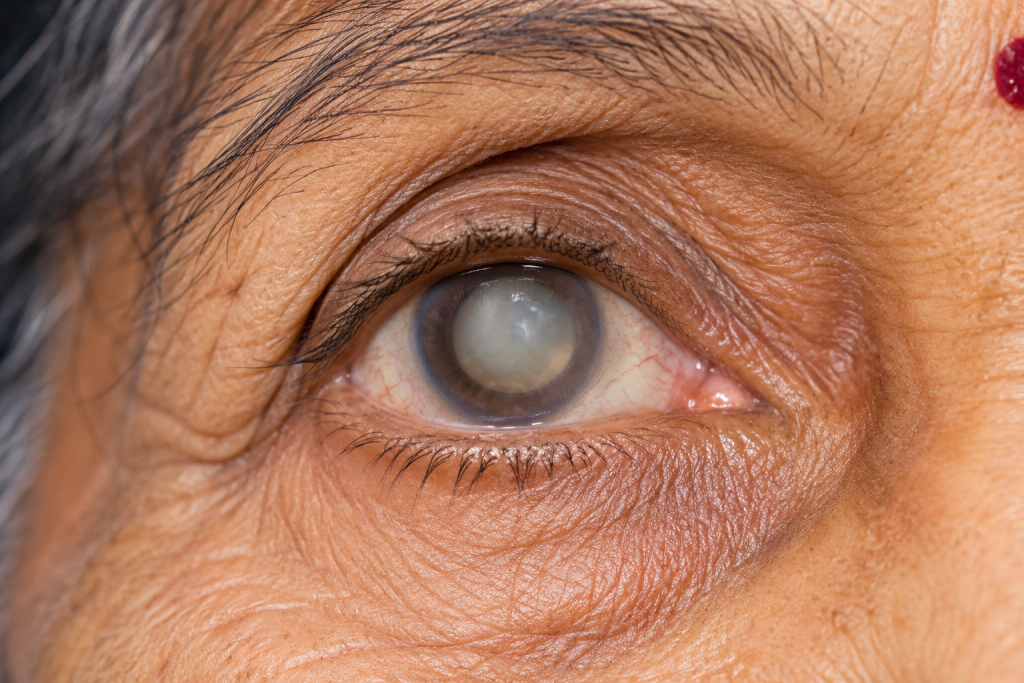
Cataract in an elderly Indian woman's eye with cloudy white pupil
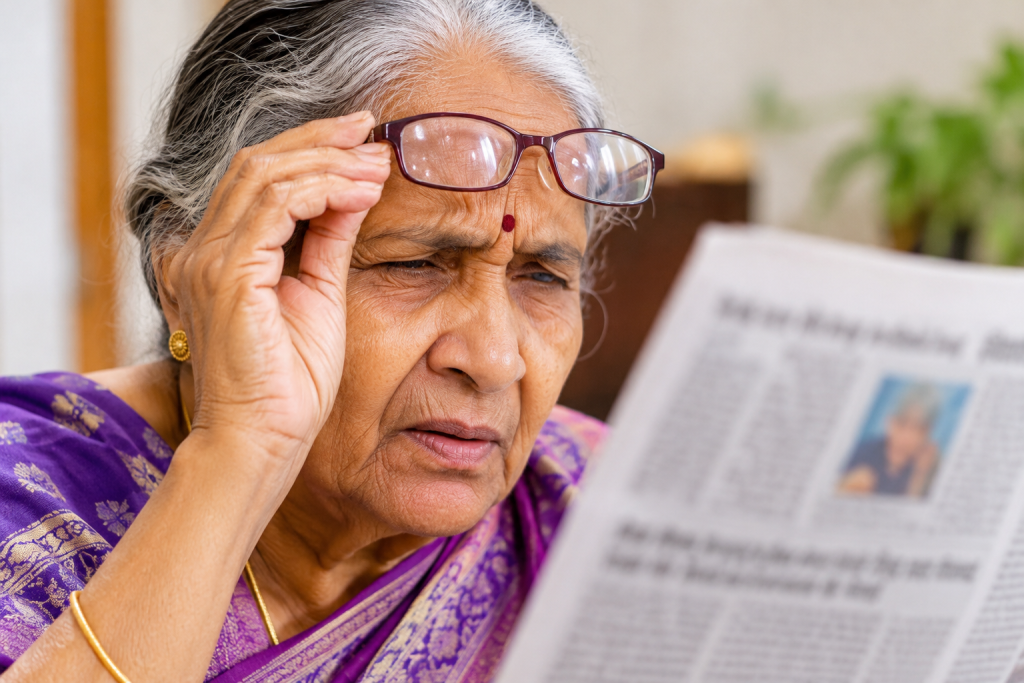
Elderly Indian woman experiencing difficulty reading due to cataract-related blurry vision

Cataract Symptoms to Watch For

  • Blurry, cloudy or dim vision
  • Glare or difficulty with bright lights and headlights at night
  • Colours looking faded or yellowish
  • Double or multiple images in one eye
  • Frequent change in glasses power
  • Difficulty reading, driving or recognising faces

Types of Cataracts

Cataracts can develop in different parts of the natural eye lens. Their location and severity may influence how vision becomes affected.

Nuclear Cataract

A nuclear cataract develops in the central part of the natural lens. It is commonly associated with ageing and may gradually cause blurred vision and changes in colour perception.

Cortical Cataract

A cortical cataract develops around the outer edges of the lens. It may cause glare, difficulty seeing in bright light and problems with night vision.

Posterior Subcapsular Cataract

This type develops at the back of the natural lens. It may progress relatively quickly and can cause difficulty reading, glare and reduced vision in bright light.

Congenital Cataract

A congenital cataract is present at birth or develops during early childhood. It requires timely assessment by an eye specialist.

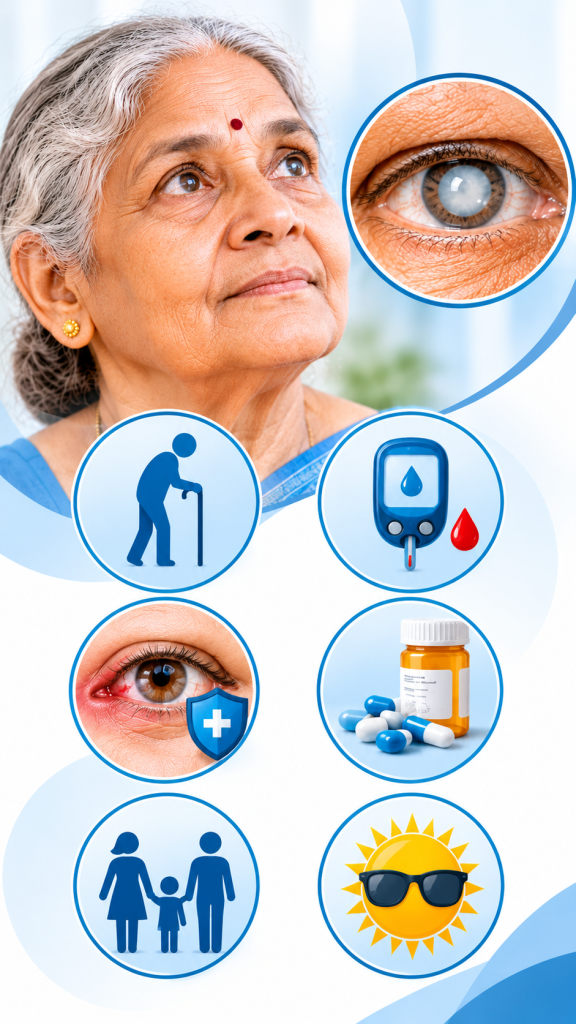
Common cataract risk factors including ageing, diabetes, eye injuries and UV exposure

Causes and Risk Factors of Cataracts

A cataract develops when the natural lens of the eye becomes cloudy, gradually affecting the clarity of vision. Although cataracts are commonly associated with ageing, certain health conditions, eye injuries and other factors may also contribute to their development.

Common Causes and Risk Factors Include
  • Ageing: Natural changes in the eye lens over time are the most common cause of cataracts.

  • Diabetes: People with diabetes may have an increased risk of developing cataracts.

  • Eye Injuries: Previous injuries or trauma to the eye can sometimes lead to cataract formation.

  • Long-Term Steroid Use: Prolonged use of certain steroid medications may increase the risk of cataracts.

  • Family History: A family history of cataracts may increase the likelihood of developing the condition.

  • UV Exposure: Long-term exposure to ultraviolet radiation may contribute to changes in the natural lens.

    Understanding these risk factors and attending regular eye examinations can help with timely diagnosis and appropriate treatment planning.

Cataract Diagnosis Detailed Eye Examination

Cataract diagnosis involves a detailed eye examination by an ophthalmologist to assess the condition of the natural lens and understand how it affects vision. At Shree Hanumant Vision Care, the examination may include

  • Visual Acuity Test: Checks how clearly you can see at different distances.
  • Slit-Lamp Examination: Helps examine the front structures of the eye and identify clouding of the natural lens.
  • Dilated Eye Examination: Allows the doctor to examine the retina and other internal structures of the eye.
  • Retinal Evaluation: Helps assess the back of the eye and identify other conditions that may affect vision.
  • Eye Pressure Measurement: Checks intraocular pressure as part of the overall eye assessment.

Based on the examination findings, the ophthalmologist explains the diagnosis and discusses suitable treatment options.

Blurred or cloudy vision caused by cataract

Blurred or Cloudy Vision

Cataracts can make vision appear cloudy, hazy or less clear, making everyday activities more difficult.

Increased glare and light sensitivity due to cataract

Increased Glare and Light Sensitivity

Bright sunlight, headlights and indoor lights may cause discomfort or glare, especially while driving at night.

Faded or dull colours associated with cataract

Faded or Dull Colours

Colours may gradually appear less bright or yellowish, making it harder to distinguish different shades.
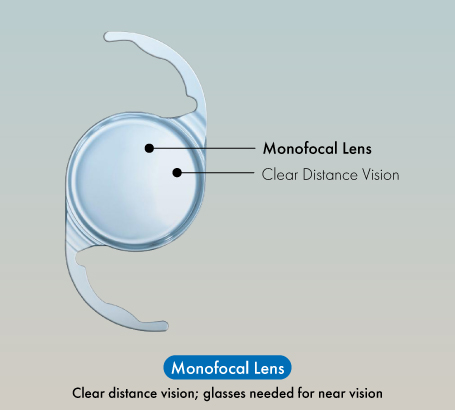
Monofocal intraocular lens for cataract surgery

Monofocal Lens

Monofocal lenses provide clear vision at one selected distance, usually distance vision. Glasses may still be needed for other distances.
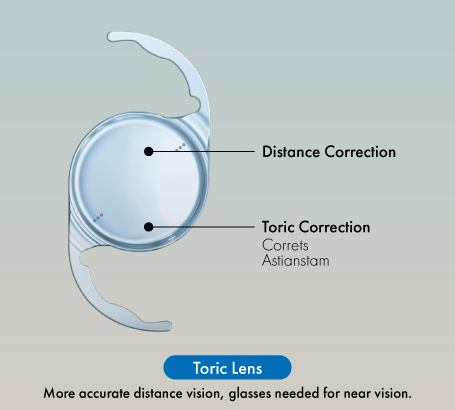
Toric intraocular lens for cataract surgery

Toric Lens

Toric lenses are designed to correct cataracts along with corneal astigmatism, helping improve vision clarity.
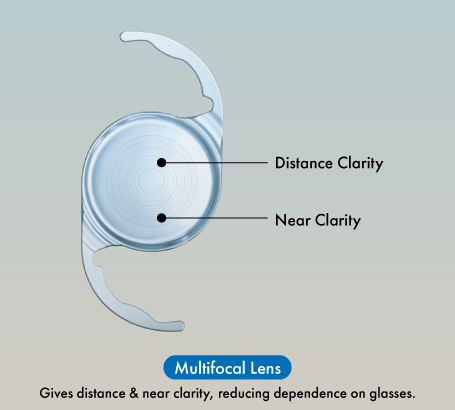
Multifocal intraocular lens for cataract surgery

Multifocal Lens

Multifocal lenses are designed to provide vision at more than one distance and may reduce dependence on glasses for some patients.

Where can I get cataract surgery in Varanasi?

Shree Hanumant Vision Care (SHVC), Varanasi, provides cataract evaluation and treatment. Patients can consult the ophthalmologist to understand their eye condition and discuss suitable cataract surgery options

. Which types of intraocular lenses are available at SHVC?

Different intraocular lens (IOL) options, including Monofocal, Toric, Multifocal, Trifocal and EDOF lenses, may be considered for cataract surgery. The suitable lens depends on your eye condition, eye measurements and visual requirements.

. What is phacoemulsification cataract surgery?

Phacoemulsification is a cataract surgery technique that uses ultrasound energy to break the cloudy natural lens into smaller pieces before removing it. An artificial intraocular lens is then implanted to replace the cloudy lens.

How many follow-up visits are needed after cataract surgery?

The number of follow-up visits depends on your recovery and your ophthalmologist's advice. These appointments help monitor healing, check vision and identify any post-operative concerns

How can I book a cataract consultation at SHVC Varanasi?

You can contact Shree Hanumant Vision Care to schedule a cataract consultation. The ophthalmologist will examine your eyes, assess the cataract and guide you about suitable treatment options.